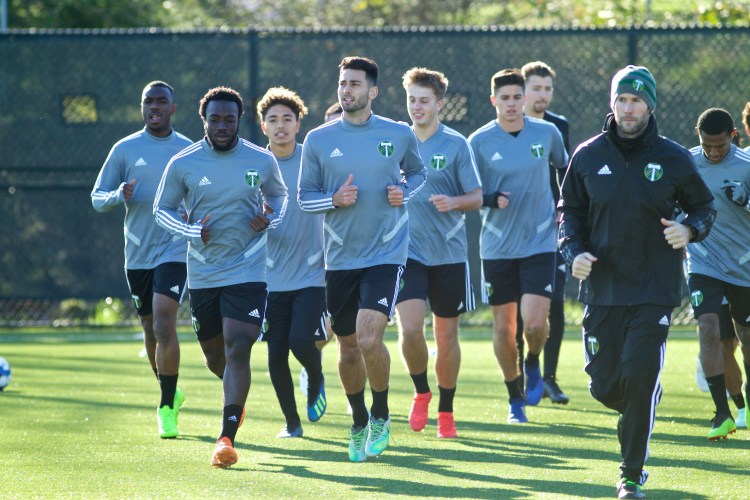
So your athletes went from being in crazy good shape to eating animal crackers on the couch and finishing “Friends” for the umpteenth time (obviously they were on a break). Okay so they probably didn’t take that much downtime, but when you compare what they’ve done compared to the complex demands of their sport, it is obviously very different. That being said, I had some thoughts on the main physical characteristics we need to work on re-developing once we get them back under our ever-caring wings of guidance:
Hip Extension
It’s a boring one but it’s true. Even if they went for a lot of runs, they likely spent way too much time in a deeply flexed position. Getting them to fully extend their hip for longer durations should be of high priority for just about every sport. My strategy is good ol’ glute bridges. Challenge different angles of knee flexion, get really good at iso’s at the top, and then progress to more dynamic movements. Once they can get back to holding iso’s for a decent duration (>30sec), let’s start increasing the velocity of their hip extension that is required in sport.
Decelerations
Depending on what sport you coach, your athletes see different volumes and intensities of decelerations. However, just about all sports have them to some degree. Lots of injuries occur during the deceleration phase as athletes try to absorb forces in a controlled manner again and again. Eccentric strength in the weight room is going to play a big role in this. For example, forward lunge variations, depth drops, and bungee/cable-assisted single-leg decel exercises will all help overload that mechanism. Also, simply monitoring the volumes of decelerations your athletes experience in the field of play will be incredibly important. Build into higher volumes over the course of weeks and months.
If you have GPS, great, you can monitor this to a more detailed degree. If you don’t have GPS, look at your “decel-heavy” drills and monitor how much time you spend doing those and increase the volume of those over time in a strategic manner.
Neuromuscular Control
To be able to hit high speeds or reactively get out of the way of a dangerous tackle, we need our neuromuscular system firing on all cylinders. A lot of athletes haven’t truly reacted to another person or hit a max sprint in months. It’s likely the longest they’ve ever gone without doing that. Let’s ease them back in. On the sprinting front, have them do a few weeks of build up sprints. Use waterfall starts so they can go at their own speed. Tell them various percentages to hit (80% -> 90% -> 95%). Give their bodies a chance to autoregulate themselves before getting them to race or attempt maximal velocity runs.
From a reaction standpoint, it might be harder to reintroduce things gradually as they will jump right into these during trainings. Choose your low hanging fruit then. Use your warmups to challenge their coordination via skipping or marching patterns. Get them reacting to your point, calling the colors of cones, or your movements. Make sure they are disassociating right from left during their fast feet drills, jabbing at different speeds depending on your call. The added benefit will likely be athlete engagement, fun, and an increase in mental agility as well.
As always, open to suggestions and would love to hear your thoughts. What are the physical qualities you’re most concerned with as we come out of this time?
 Peak Performance Platform